

Microencapsulation Technology’s Role in Controlled Drug Delivery
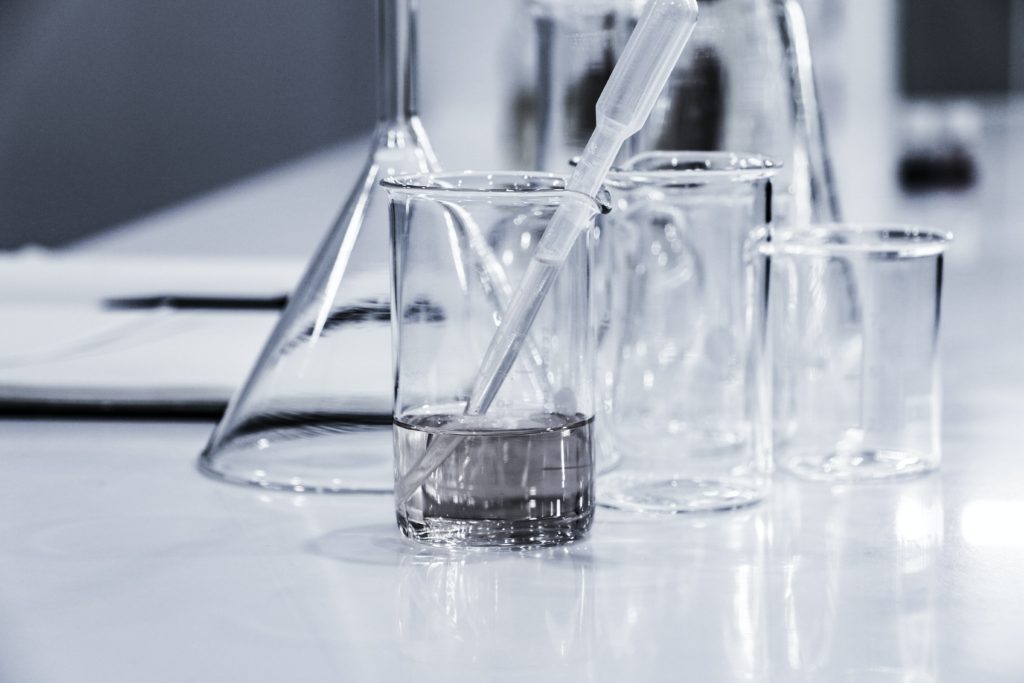
Microencapsulation is the process in which active substances are entrapped by extremely small capsules, which can contain a variety of substances such as solids, liquids, proteins, drugs, stem cells and more. The goal of cell microencapsulation has traditionally been drug delivery. The active molecules inside these capsules are protected until they reach their specific action site.
The process of microencapsulation is beneficial to controlled drug delivery because of its ability to provide material structuration, protect the product enclosed, and offer a controlled release of the encapsulated product.
Due to some substances being hard to administer because of insolubility, volatility, and physical state, microencapsulation provides a new way to administer the drug to patients and helps enhance therapeutic benefits to patients. In addition to the pharmaceutical industry, microencapsulation technology has been used in the cosmetics industry, agrochemical industry, and the food industry.
Benefits of Microencapsulation Technology
Encapsulation involves enclosing one material within another to form particles of varying sizes. These particles can range in scale from millimeters to micrometers, which is referred to as microencapsulation, or even down to nanometers, known as nanoencapsulation.
Microencapsulation provides a variety of advantages to the healthcare industry compared to using conventional dosage forms. This includes improving efficacy, reducing toxicity, and improving convenience and compliance for patients. Additionally, microencapsulation allows for:
- Reduced dosing frequency for patients
- Masking of flavor and odor to help increase customer acceptance
- Protection from acids, moisture, oxygen, heat, light and other elements that may inhibit the drug
- Protection from acids, moisture, oxygen and other interactions that may inhibit the drug
- Increased effectiveness because the drug is closely regulated and encapsulated
- Ease of handling due to the encapsulated contents
- Reduced systemic side effects
- Minimized toxicity and irritation due to controlled release rates and the targeting of specific tissues
- Reduced volatility and allowing for the creation of novel product types
- Extended shelf life and increased stability because of the protection of nutrients and sensitive compounds, including proteins and peptides
- Application in formulations for insulin, lidocaine, cisplatin, progesterone, vaccines, and many more options
- Improved convenience for patients, along with more streamlined production, handling, and distribution for manufacturers
With the Oakwood Labs dedication to developing sustained-release injectable pharmaceutical products, microencapsulation technology plays an important role in the development process.
Microencapsulation Facts and Stats
- The microencapsulation market is going strong, with a market size estimated at $9.1 billion to $15.97 billion in 2025. Growth is projected at an 8% to 10% CAGR over the next ten years, ending somewhere between $20.4 billion and $38.98 billion by 2035.
- North American organizations made up the majority of those engaging in microencapsulation, totaling 37% of the whole. Asia-Pacific countries are expected to have the fastest growth in adoption of microencapsulation in the next decade.
- Prominent industries that use and benefit from microencapsulation include pharmaceuticals and healthcare, drug delivery systems, food and beverage, functional food ingredients, cosmetics, and agrochemical.
- Application technologies connected to microencapsulation include spray and emulsion methods. Polymer coatings currently dominate the space, though carbohydrates’ prominence is growing.
- The technique is highly valued for protecting active drugs and nutrients and enabling controlled, target-specific release.
Oakwood Labs Is a Global Leader in Sustained Technology
In addition to supplying drug delivery with microencapsulation technology, Oakwood Labs remains a global leader within the industry, with over 20 years of experience. As part of our operations, Oakwood Labs develops the following aspects of sustained release drug delivery:
- Formulation Development – This process provides for the ability to encapsulate various molecules in a microsphere which allows for release durations that range from weeks to a year. Visit our page for more information about formulation development and the steps that Oakwood Labs takes.
- Scale-up and Tech Transfer – This phase of long-acting injectable development allows for proven scalability that begins from lab scale and goes all the way to commercial batch sizes. Oakwood Labs uses a quality-driven approach to complete the scale-up and technology transfer.
- GMP Aseptic Manufacturing – Clinical and commercial material is produced and packaged in our FDA-approved aseptic manufacturing facility. Oakwood Labs remains a reliable provider of pharmaceutical contract manufacturing services due to our long history of compliance.
Reach out to our team today to learn more about microencapsulation technology and additional processes that take place in our facilities.
Contact Oakwood Labs for More Information on Microencapsulation
At Oakwood Labs, we take pride in our ability to continue to achieve milestones within set deadlines while providing transparent communication. Whether you want to inquire about microencapsulation or our other microsphere technology capabilities, our team is ready to accommodate your needs.
Contact Oakwood Labs today to learn more about microencapsulation technology and the expertise we employ throughout the entire process.

- Nanoencapsulation in Drug Delivery: Everything You Need to Know - January 5, 2026
- Controlled-Release Medication and the Methods of Administration - December 8, 2025
- PharmaTher and Oakwood Labs Advance Strategy For Next-Generation Ketamine for Neuropsychiatric Disorders; Secures Exclusive Rights to Evaluate and License Patented Long-Acting Ketamine Program - November 19, 2025